Zero Waste Lifestyle Routine 2025 for Beginners: Simple Steps Toward Sustainable Living
In recent years, the phrase zero waste has moved from a niche environmental goal to a mainstream lifestyle choice. By 2025, the urgency of climate change and growing awareness of plastic pollution have encouraged more people to rethink how they live and consume. But for beginners, the idea of producing no waste at all can feel intimidating. The good news is that zero waste is not about perfection—it’s about creating routines that reduce waste step by step.

This article explores a zero waste lifestyle routine in 2025 designed specifically for beginners, focusing on small, realistic habits that lead to sustainable change.
Start with Daily Habits
The best way to begin is by looking at what you do every day. Morning coffee? Switch from disposable cups to a reusable mug. Grocery shopping? Carry a reusable bag and avoid single-use plastics. These simple swaps are easy to adopt and quickly become routine.
Even beginners will notice how these habits reduce the amount of trash produced in just a week. The key is not to overhaul your entire life overnight, but to introduce small, manageable changes.
Reuse and Repurpose
Zero waste is about extending the life of what you already have. Instead of throwing away glass jars, use them for food storage. Old t-shirts can become cleaning cloths. Many beginners discover that reusing and repurposing not only reduces waste but also saves money.
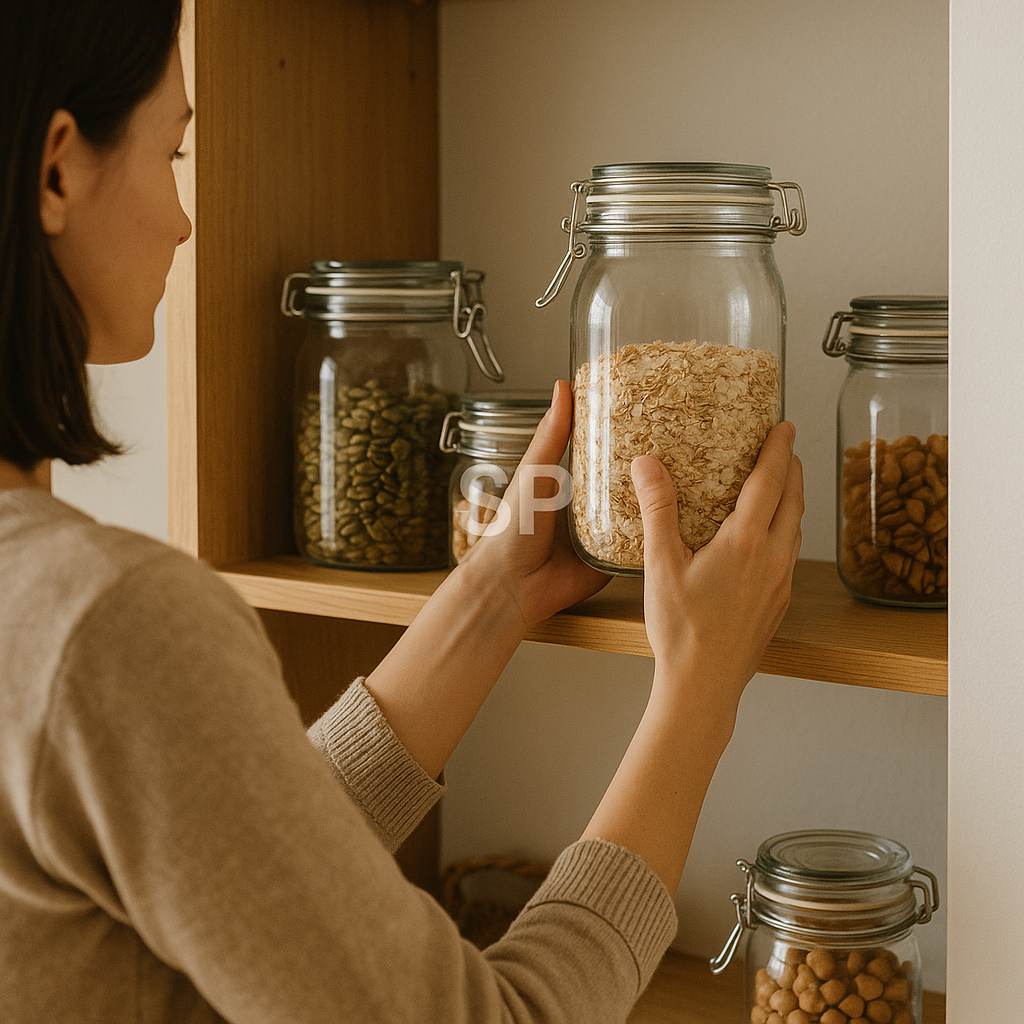
By 2025, online communities share countless DIY ideas for repurposing everyday items, making it easier than ever to get creative with what you already own.
Conscious Shopping Routine
One of the most impactful steps in a zero waste lifestyle is to buy less and buy better. Before purchasing something new, ask: Do I really need this? If the answer is yes, look for durable, repairable, and eco-friendly alternatives.
In 2025, more retailers are offering package-free options and eco-certified goods. Beginners can make a difference simply by choosing these products consistently.
Food Waste Reduction
Food waste is one of the largest contributors to household trash. Beginners can start by planning meals, storing food properly, and composting scraps. Small habits like freezing leftovers or sharing excess food with neighbors reduce waste dramatically.

AI-powered kitchen apps in 2025 even help track expiration dates and suggest recipes to use ingredients before they spoil. These tools make zero waste living more accessible than ever.
Building a Sustainable Routine
The essence of zero waste is routine. Create a weekly ritual: review what waste you produced, identify what could have been avoided, and set one new goal for the coming week. It might be as simple as switching to shampoo bars or refusing plastic straws.
Over time, these small goals accumulate into a sustainable lifestyle. Beginners often find that once a few habits stick, the rest feels easier.
Final Thoughts
Adopting a zero waste lifestyle routine in 2025 doesn’t require perfection. For beginners, it’s about consistent, thoughtful choices that add up. Start with daily habits, reuse what you have, shop consciously, and reduce food waste. Most importantly, be kind to yourself during the process. Every step toward less waste is a step toward a healthier planet.
Zero waste living is less about restriction and more about freedom—the freedom to live without unnecessary clutter, to save money, and to know that your choices support a sustainable future 🌍.
In the main article, we focused on the basics of building a zero waste lifestyle routine for beginners. Now, let’s take a closer look at how these habits play out in daily life, what challenges beginners might face, and how small steps lead to bigger impact over time.
One of the most important realizations for beginners is that zero waste is not about perfection. It’s about consistency. For example, you may bring a reusable bag most days but occasionally forget and need a disposable one. That doesn’t mean failure—it means progress. Zero waste is about building habits gradually so they last. By 2025, many communities emphasize the phrase “progress over perfection,” reminding people that every avoided plastic bag or disposable cup counts.
Another key practice is creating personalized routines. Not every beginner lives in the same environment. Some have access to bulk stores, while others don’t. Some live in apartments with no room for composting. Instead of feeling discouraged, beginners can adapt routines to their situation. For instance, if bulk shopping isn’t available, focus on reusing containers at regular supermarkets. If composting isn’t possible, reduce food waste through better planning. Flexibility is part of sustainability.

Technology also plays a growing role. In 2025, apps can scan receipts and calculate your carbon footprint automatically. They highlight where most of your waste comes from and suggest alternatives. Beginners no longer need to track everything manually; AI-powered tools simplify the process and provide encouragement along the way. Some apps even connect neighbors to share unused food or exchange reusable containers, making zero waste more social and collaborative.
Community support is another underestimated factor. Beginners often feel isolated if friends or family don’t share their eco-friendly goals. Joining local groups, online forums, or neighborhood initiatives helps reduce that sense of isolation. Many beginners find motivation in swapping stories, challenges, and solutions with others on the same journey. The shared experience turns individual habits into collective impact.
Of course, challenges exist. Packaging is still hard to avoid in many places. Convenience culture makes it tempting to grab takeout with single-use containers. Beginners may also feel overwhelmed by the variety of eco-friendly products on the market. The best advice is to focus on the essentials: reduce what you don’t need, reuse what you already own, and recycle as a last step. It’s not about buying every “green” product, but about using fewer products overall.
Over time, small routines grow into lifestyle transformation. A beginner might start with reusable coffee cups and bags. A few months later, they’re composting and meal planning. A year later, they’ve cut their household trash in half. This gradual evolution shows that sustainability is not a one-time project but a lifelong routine.
Ultimately, a zero waste lifestyle routine in 2025 empowers beginners to live more intentionally. It’s not just about reducing trash—it’s about gaining clarity on what you value, spending money more wisely, and contributing to a healthier planet. By starting small, adapting flexibly, and connecting with supportive communities, beginners can build routines that feel natural and sustainable. Zero waste becomes less of a challenge and more of a rewarding way of life.