Zero Waste Lifestyle: Practical Steps to Reduce Waste and Live Sustainably
The idea of a zero waste lifestyle may sound overwhelming at first. Completely eliminating waste feels impossible in a modern world filled with packaging, fast fashion, and disposable culture. But the real goal isn’t perfection—it’s progress. A zero waste approach is about making conscious choices to reduce what we throw away, reuse what we can, and recycle responsibly. Let’s explore practical ways to live closer to zero waste in everyday life. :)
| Meal Planning | Plan meals, use leftovers, proper storage | Cuts food waste, saves money |
| Reusables Beyond Basics | Cloth napkins, refillable pens, steel lunchboxes | Reduces hidden single-use waste |
| Community Interactions | Farmers’ markets, refill shops, local economy | Less packaging, stronger communities |
| Imperfection Mindset | Focus on progress, not perfection | Encourages long-term commitment |
| Technology | Apps, digital minimalism, secondhand platforms | Tracks impact, reduces digital waste |
| Inspiring Others | Lead by visible example | Creates ripple effect, collective progress |
Rethink Everyday Habits
The first step is awareness. Notice where most of your personal waste comes from—coffee cups, grocery bags, food packaging. Once you identify these “waste hotspots,” you can replace them with better options: reusable mugs, tote bags, and bulk buying. Small swaps done consistently have huge impact over time. ^^
Food and Kitchen Choices
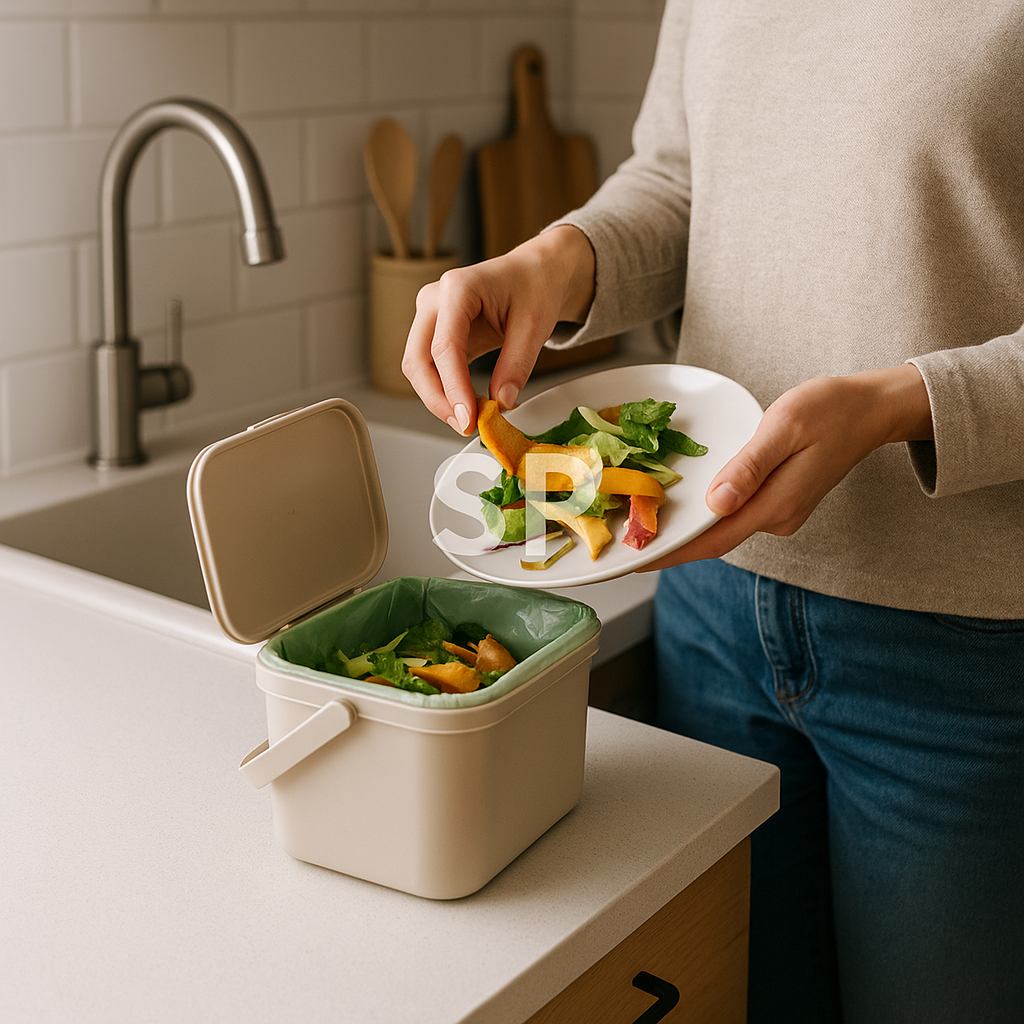
Food waste is a major contributor to landfills. A zero waste kitchen means planning meals, buying only what you need, and storing food properly to prevent spoilage. Composting organic scraps is another powerful practice—turning leftovers into nutrients for plants instead of methane in landfills. Even using beeswax wraps instead of plastic film is a small yet meaningful shift.
Sustainable Fashion Decisions
Fast fashion creates mountains of textile waste. A zero waste lifestyle emphasizes buying fewer, higher-quality pieces, choosing secondhand clothing, and repairing items instead of discarding them. Organizing clothing swaps with friends not only reduces waste but also builds community. Style doesn’t have to mean new—it can mean creative. :)
Eco-Friendly Personal Care
Bathrooms generate plenty of single-use waste: shampoo bottles, razors, cotton pads. Alternatives include shampoo bars, safety razors, and reusable makeup wipes. Many eco-conscious brands now package products in compostable or refillable containers, making sustainable swaps easier than ever.
Technology and Digital Waste
Zero waste extends beyond physical items. Digital clutter—unused apps, unnecessary emails, redundant files—also consumes energy through data storage. Regularly cleaning up your digital life reduces energy use in servers and simplifies your mental space as well. ^^
Community and Policy Engagement
Living zero waste individually is impactful, but collective action multiplies results. Joining local zero waste groups, supporting policies that reduce single-use plastics, and encouraging businesses to adopt sustainable packaging create broader change. Personal choices inspire others, building momentum for systemic transformation.
Remember, zero waste is a journey, not a rigid rule. Even small steps—like bringing your own water bottle or refusing plastic straws—make a difference. The key is consistency and compassion for yourself while learning new habits.
the zero waste lifestyle is less about strict limits and more about conscious living. By rethinking habits, embracing sustainable alternatives, and participating in community change, anyone can contribute to a healthier planet. The goal is not to be perfect, but to reduce waste wherever possible and inspire others to do the same. ^^
Expanding on the concept of a zero waste lifestyle, the most powerful change comes not from dramatic gestures but from everyday routines. While refusing plastic straws is symbolic, the real impact happens when we redesign the flow of our daily lives around sustainability. A true zero waste approach means making waste reduction second nature, like brushing your teeth or locking the door.

One of the most transformative practices is meal planning. Food waste is one of the largest contributors to household garbage, yet it’s often preventable. By planning meals ahead, using leftovers creatively, and storing produce properly, households can cut food waste by half. A simple example: cooking extra rice and turning it into fried rice the next day prevents it from spoiling. Small actions like this add up quickly. ^^
Another area of expansion is reusables beyond the basics. Most people already know about tote bags and reusable cups, but the zero waste lifestyle encourages thinking deeper: cloth napkins instead of paper, stainless steel lunchboxes instead of disposable containers, refillable pens instead of single-use plastics. Once you adopt these swaps, you realize how much unnecessary waste you used to create without even noticing.
The zero waste journey also extends to community interactions. Farmers’ markets often allow you to buy unpackaged produce directly from growers. Local refill shops let you bring your own containers for grains, soap, or even shampoo. These businesses not only reduce waste but also strengthen local economies. Choosing them over large supermarkets becomes both an environmental and social contribution.
It’s also essential to talk about mindset and imperfection. Many people feel discouraged because they can’t be “100% zero waste.” But perfection is unrealistic in today’s world. The real goal is progress. Maybe you can’t avoid all packaging, but choosing glass jars over plastic bottles is still meaningful. A compassionate mindset ensures long-term commitment, rather than burnout from guilt. :)
Technology plays a surprising role in the zero waste lifestyle. Apps can help track carbon footprints, remind you to bring reusables, or connect you with secondhand platforms to buy and sell goods. Digital minimalism also matters—deleting unnecessary files or unsubscribing from emails reduces energy use at data centers. Even in the virtual world, waste reduction is possible.
Lastly, the zero waste lifestyle is about inspiring others. Friends notice when you bring a reusable water bottle everywhere, colleagues may ask about your composting system, and family might follow your habit of shopping secondhand. Each small act ripples outward, influencing others to rethink their choices. Collective progress grows from individual consistency.
In short, living a zero waste lifestyle is not about grand sacrifices but about integrating sustainable habits into daily life, accepting imperfection, and inspiring community change. It’s a slow but steady revolution—one reusable cup, one compost bin, one mindset shift at a time. ^^