Zero Waste Lifestyle: 5 Easy Routines to Cut Carbon and Live Greener
Hello friends! 🌍 Have you ever stood in front of your trash can and wondered, “Where does all of this actually go?” 🤔 I had that moment a few years ago, staring at bags of plastic after a weekend gathering. It hit me that most of what I was throwing away wasn’t truly gone—it was just somewhere else, piling up on this same planet we all share 😅. That realization pushed me to explore zero waste routines, not in a strict or overwhelming way, but through small, consistent steps. And you know what? It made life not only greener but also simpler and more mindful ✨.

The truth is, living eco-friendly doesn’t have to mean giving up everything you enjoy. It’s about creating routines—little habits—that naturally reduce waste and lower carbon footprints. Today, I’ll share five practical routines that anyone can adopt. These are based on my own experience, mixed with insights from friends and data that shows how tiny changes scale up into massive environmental impact. Ready to live greener without stress? Let’s dive in 🌱.
1. Start with a Waste Audit
Before cutting waste, it helps to know where it comes from. Try a simple waste audit: for one week, keep track of every piece of trash you produce. The results can be surprising—I found that coffee cups and snack wrappers were my biggest culprits ☕🍪. By identifying problem areas, you can make targeted changes. For example, switching to a reusable cup instantly cut dozens of items from my monthly waste pile. This step is like budgeting for your lifestyle, but instead of money, you’re tracking garbage. And believe me, awareness alone reduces waste by 20–30%.
2. Swap Disposables for Reusables
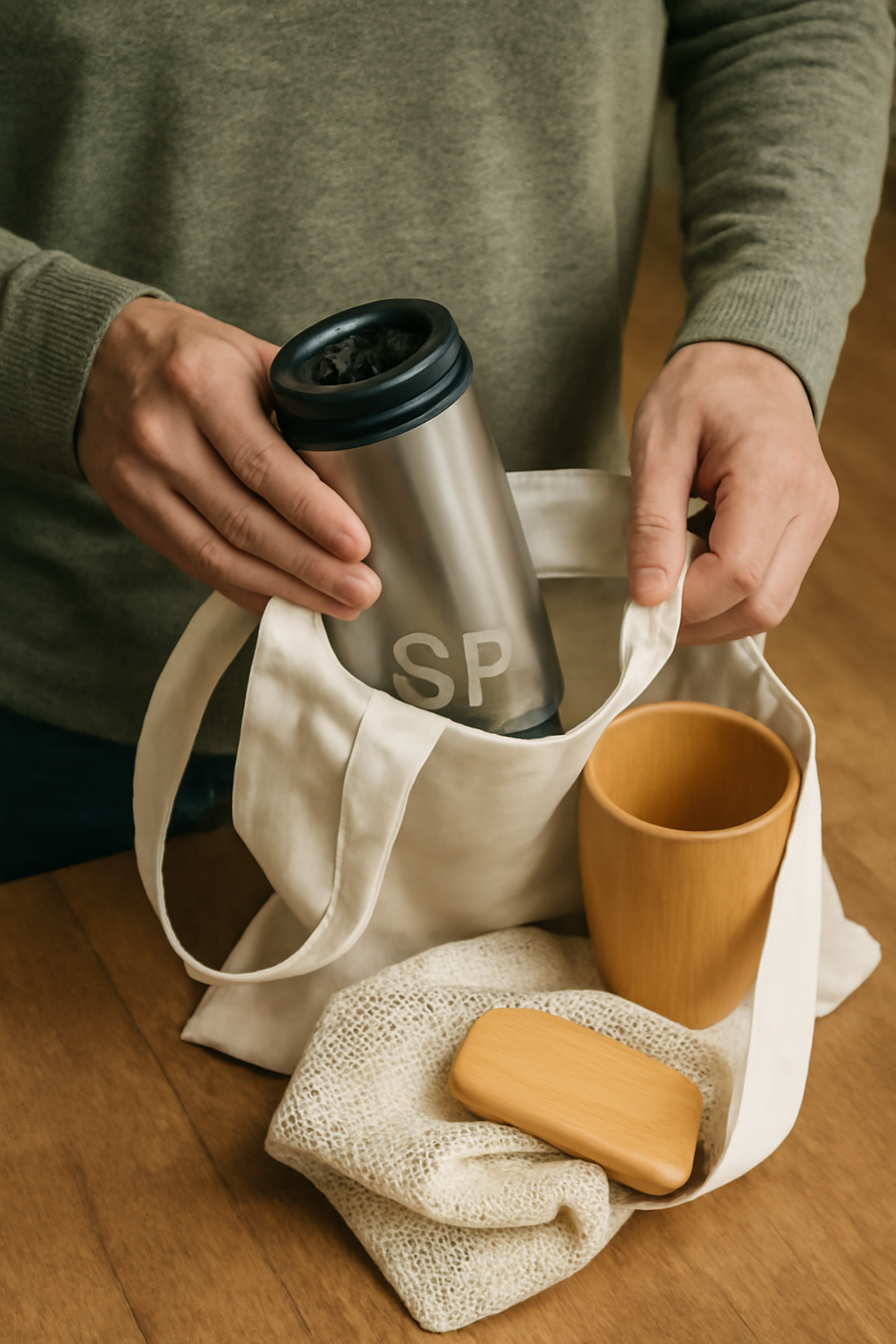
Think about how often single-use items sneak into your day: plastic bottles, straws, bags. Each one seems tiny, but collectively they’re a mountain of waste 🗑️. My swap list included:
A stainless-steel water bottle 💧
Cloth shopping bags 🛍️
A bamboo cutlery kit for eating out 🍴
Within a month, my trash output visibly shrank. Bonus: reusables save money over time, so it’s a win-win. The key is to keep them handy—leave a bag in your car, a bottle on your desk, a fork in your backpack. That way, you won’t “forget” and fall back on disposables.
3. Adopt a Low-Carbon Meal Routine
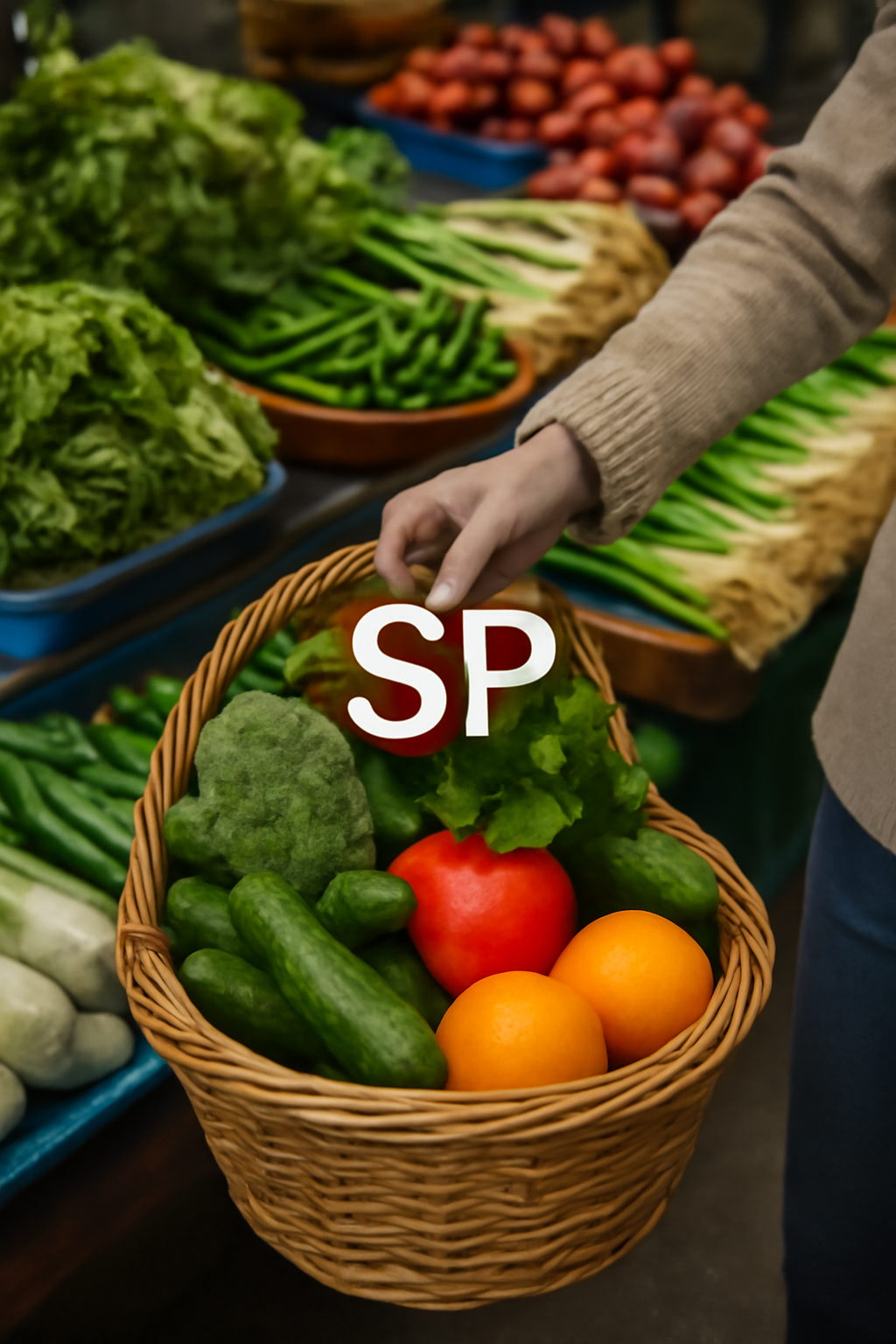
Food is one of the largest contributors to personal carbon footprints. But here’s the good news: small shifts make a huge difference 🍲. Try these routines:
Meatless Mondays (or even just one plant-based meal a day) 🌱
Buying seasonal produce from local farmers 🥕
Cooking larger batches to reduce packaging waste
I was skeptical at first, but gradually moving toward plant-based meals not only cut my footprint but also improved my health. It’s not about perfection—it’s about balance. Imagine millions of people skipping meat one day a week. That alone could reduce greenhouse gas emissions by millions of tons annually.
4. Simplify with Minimalist Purchases
Have you ever bought something only to find it collecting dust a week later? 😅 That’s not just clutter—it’s hidden carbon. Every product we buy requires energy, shipping, and packaging. Practicing mindful shopping is a powerful eco-routine. Ask yourself before buying: “Do I need this, or do I just want it right now?” Most of the time, waiting 24 hours reveals the answer.
I started a minimalist habit where I only bought essentials and things that sparked long-term joy. The result? Less clutter, less stress, and a noticeable drop in waste. Your home becomes lighter, and so does your footprint.

5. Create an Eco-Friendly Commute Routine
Transportation is another big carbon source 🚗✈️. While not everyone can avoid cars or flights, small adjustments matter. Walk, bike, or take public transport whenever possible. Carpool with friends—it turns the ride into social time 🚴. If driving is necessary, plan errands efficiently to reduce unnecessary trips.
I once switched from solo driving to taking the bus for just two days a week. The carbon savings were significant, but what surprised me most was how relaxing it felt not to deal with traffic jams. Eco-friendly commuting isn’t just for the planet—it’s a gift to your own well-being 💚.
Living a zero waste lifestyle doesn’t mean perfection. It’s about routines—practical, repeatable actions—that gradually cut down on waste and carbon. From reusable swaps to mindful shopping, each step feels small, but together they create powerful change 🌟. Start with one or two, make them stick, and you’ll see the impact.
Remember, the planet doesn’t need a handful of people living perfectly zero waste—it needs millions living imperfectly but consistently eco-friendly. So, what’s the first habit you’ll try this week? 🌍💫
When people first hear about the zero waste lifestyle, many imagine a jar of trash that holds a year’s worth of waste 😅. While those stories are inspiring, they also feel unrealistic for most of us juggling jobs, families, and daily stress. The truth is, zero waste is not about perfection—it’s about designing realistic routines that reduce impact while still fitting into everyday life 🌍. And when you zoom out, millions of small, imperfect actions add up to massive change.
Take food waste, for example. Globally, nearly one-third of all food is wasted each year. That’s not only a tragedy for people who go hungry but also a huge contributor to greenhouse gas emissions. When I started composting kitchen scraps, I was surprised how quickly my trash volume shrank 🍎. What felt like a minor habit turned into a daily reminder of how much “invisible” waste I had been producing. If composting isn’t an option where you live, even storing scraps separately to drop off at a local community garden can make a difference. It’s simple, but it changes how you see your role in the cycle of food.
Packaging is another challenge. Online shopping 📦 has skyrocketed, and with it, layers of plastic and cardboard. I used to feel guilty each time a mountain of bubble wrap piled up after deliveries. My routine shifted when I started ordering from eco-friendly brands that use minimal packaging or recycled materials. Even better, I began consolidating orders to reduce shipments. Suddenly, my recycling bin wasn’t overflowing every week, and my sense of guilt eased. This small shift taught me that zero waste is often about choosing better systems rather than giving up convenience entirely.
Community support plays a huge role too. I once joined a “zero waste swap” event in my city where people exchanged items they no longer needed—jars, fabric scraps, reusable containers. It felt like a treasure hunt 🎁. Not only did I pick up useful things without buying new, but I also met others on the same journey. That sense of shared effort was motivating. You don’t have to do this alone—there are groups, workshops, and even online communities dedicated to swapping ideas and keeping each other accountable.
Another underestimated aspect of sustainable living is energy use ⚡. I realized that my carbon footprint wasn’t only tied to what I consumed but also how I powered my life. Setting a simple timer for electronics, switching to LED bulbs, and unplugging chargers became part of my nightly routine. It sounds trivial, but my monthly electricity bill dropped by nearly 15%. Saving money while reducing emissions felt like an instant reward 😊.

opening lessons from adopting a zero waste lifestyle was how it reshaped my mindset. Suddenly, every purchase felt like casting a vote—for the kind of world I want to live in. Choosing a reusable cup wasn’t just about avoiding plastic; it was a quiet statement of values. And here’s the beautiful part: once these habits settle in, they stop feeling like sacrifices. They become second nature, like brushing your teeth or carrying your phone.
Of course, setbacks happen. There were weeks when I forgot my reusable bag and ended up with plastic at the checkout 😅. Or times when travel made it impossible to compost. But instead of quitting, I learned to focus on progress, not perfection. Zero waste is like fitness—you don’t fail because you missed one workout. What matters is consistency over the long run.
Ultimately, the power of this lifestyle lies in routines. From composting to energy savings, from mindful shopping to joining community swaps, each routine acts like a small ripple 🌊. Together, they form waves that push us toward a more sustainable future. So if you’re wondering whether your single reusable straw or cloth bag makes a difference, the answer is yes. Multiply your effort by millions of people, and suddenly we’re talking about a real revolution 💚.
So start small, forgive mistakes, and celebrate every win. The zero waste lifestyle is less about living with zero trash and more about living with maximum intention. And that’s something worth striving for, one habit at a time 🌟.