Zero Waste Lifestyle Tips: Simple Daily Habits for a Greener Future
Hello everyone 🌍 How’s your week going so far? More and more people are asking how they can reduce waste in their daily lives without feeling overwhelmed. That’s where zero waste lifestyle tips come in. Instead of trying to be perfect, the goal is to adopt small, consistent habits that add up over time.

A zero waste lifestyle isn’t about producing literally no trash—it’s about minimizing what goes to the landfill and maximizing reuse, recycling, and mindful consumption. In 2025, it’s easier than ever thanks to innovative products, community initiatives, and digital tools. Let’s break down some approachable strategies for building a greener routine.
Rethinking Consumption
The first step is awareness. Every purchase is a choice that signals demand. By choosing reusable over disposable, you’re voting for sustainability. For example, carrying a stainless steel water bottle cuts down on single-use plastics while saving money. Likewise, reusable shopping bags and beeswax wraps quickly become second nature.
At-Home Habits
Most zero waste lifestyle tips begin at home. Composting food scraps, for instance, can reduce household waste by up to 30%. If you live in an apartment, small indoor composters make this possible without odor. Another practical habit is buying pantry staples in bulk to reduce packaging waste.
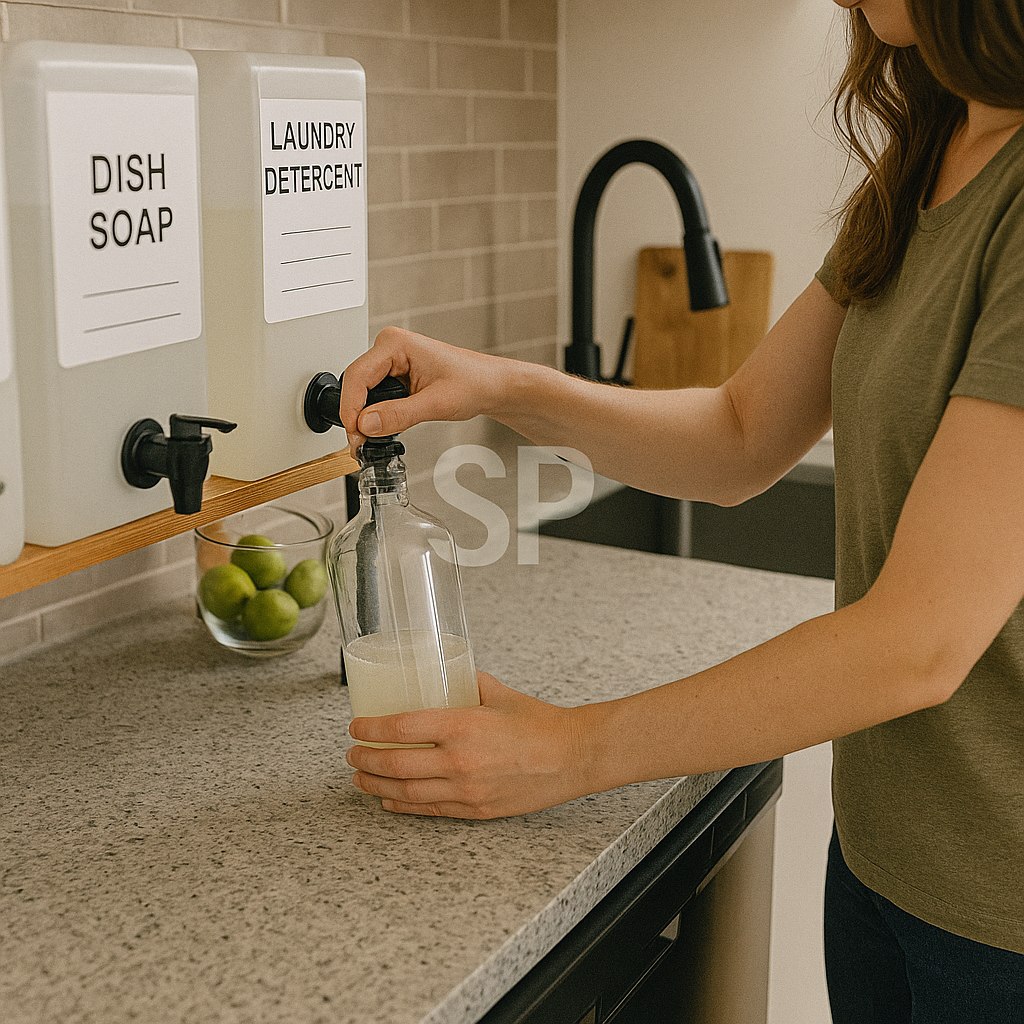
One family I know switched to refill stations for detergents and shampoos. Not only did they cut down on plastic bottles, but they also saved on costs because bulk refills are cheaper long term.

Work and Travel
The office is another area where mindful choices shine. Bringing your own coffee mug and cutlery prevents dozens of disposables each month. Remote workers can also apply zero waste lifestyle tips on the go by choosing coworking spaces that support recycling or carrying a “zero waste kit” with essentials like a tote bag, jar, and bamboo straw.
Traveling sustainably is also rising in popularity. Some nomads now plan trips around eco-friendly accommodations, reducing their footprint while still enjoying new experiences.
Community and Mindset
Zero waste is not just individual—it’s collective. Joining local swap groups or online communities keeps items in circulation. For example, clothing swaps prevent textile waste while letting you refresh your wardrobe without buying new.
It’s also important to stay realistic. Perfection isn’t the target; consistency is. Even reducing waste by 20% in your home has a significant impact when multiplied across communities.
Bonus Tip ✨
Track your progress. Many apps now show how much waste you’ve diverted by composting or using reusables. Seeing the numbers can be motivating and helps turn habits into long-term lifestyle changes.
At the end of the day, adopting zero waste lifestyle tips isn’t about restriction—it’s about creativity. By rethinking how we consume and building small, repeatable habits, we design a future that’s lighter on the planet and healthier for us all. 🌱
One of the most powerful realizations about following zero waste lifestyle tips is that they don’t just change how much trash you produce—they change how you see the world. Once you start noticing packaging, single-use plastics, or unnecessary consumption, you can’t unsee them. And that awareness is the foundation of long-term sustainable living.
Many people assume zero waste means buying expensive eco products, but the truth is much simpler. The heart of the practice is reducing excess. A mason jar can replace hundreds of disposable cups. Old T-shirts can become reusable cleaning cloths. These small swaps embody the idea that progress comes from consistency, not perfection. When you adopt eco friendly routines like these, they become invisible over time—just part of daily life.

One inspiring story comes from a remote worker I met in Chiang Mai. She carried a “zero waste kit” with her everywhere: a collapsible container, chopsticks, and a stainless steel water bottle. Over a year, she calculated that she avoided more than 1,000 disposable items. Her journey showed how waste reduction habits can scale when integrated into travel and work routines.
Another underrated strategy is meal planning. By organizing meals for the week, you reduce food waste, cut grocery costs, and avoid last-minute takeout that often comes in non-recyclable packaging. It’s a simple adjustment that fits perfectly into a green lifestyle guide for busy professionals.
Of course, challenges exist. Some regions still lack recycling facilities, and sustainable alternatives aren’t always available. But here’s where creativity matters. Communities around the world are sharing hacks—like making toothpaste tablets at home or organizing neighborhood swap events. These grassroots solutions show that zero waste lifestyle tips thrive when people collaborate.
Technology is also playing a role. Apps now track your environmental impact, showing metrics like “plastic bottles saved” or “carbon reduced.” Seeing those numbers gamifies the experience, making sustainable living more engaging. Instead of guilt, you feel rewarded.
The emotional side shouldn’t be ignored either. Many people describe a sense of calm when they declutter and live with fewer items. Minimalist living overlaps naturally with zero waste because both emphasize intentional choices. When you choose quality over quantity, you reduce waste and also build a lifestyle that feels lighter.
So, if you’re feeling hesitant, start with one corner of your life. Maybe it’s your morning coffee routine, or your grocery shopping. Apply just one or two zero waste lifestyle tips, and watch how they ripple into other areas. Before long, you’ll find yourself living not just more sustainably, but more intentionally. And that’s the ultimate goal—not to be perfect, but to live in alignment with your values while protecting the planet. 🌱