Daily Eco-Friendly Routine Tips: Zero-Waste Lifestyle and Carbon Reduction Habits
Starting a sustainable lifestyle doesn’t always require big changes or expensive products. Sometimes, the most impactful shifts come from small and consistent actions. That’s why building an eco-friendly routine into your everyday life is one of the most effective ways to contribute to the planet while also making your day more mindful.
Eco-Friendly Routine Summary 🌱
| ☀️ Morning Routine | Use a tumbler instead of disposable cups, switch to bamboo toothbrush |
| 🛒 Zero-Waste Shopping | Reusable bags, refill stations, avoid impulse buying |
| 🏠 At-Home Carbon Reduction | Thermostat control (26°C summer, 21°C winter), unplug devices |
| 🚲 Green Commuting | Walk, bike, or use trains instead of cars for lower CO₂ |
| 🎯 Lifestyle Mindset | Turn habits into games or challenges, focus on progress not perfection |
| 💡 Key Lesson | Start small → build consistency → expand into long-term eco habits |
When I first tried to live more sustainably, I felt overwhelmed by the amount of information out there—composting, recycling rules, energy-saving gadgets, and so on. But once I broke it down into simple daily eco-friendly routine tips, it became far less intimidating. In this post, I’ll walk you through practical ways to create zero-waste lifestyle routines and easy carbon reduction habits that can truly make a difference. 🌍
1. Morning rituals for a greener start
Your daily routine begins the moment you wake up, so why not make it eco-friendly from the start? Instead of grabbing coffee in a disposable cup, bring your own tumbler. Over a year, this small shift can save hundreds of cups from ending up in landfills. Many cafés also give discounts for personal cups, which means you’ll be saving money as well.
Another habit is switching from plastic toothbrushes to bamboo or biodegradable alternatives. It may seem minor, but imagine the impact if millions of people made that switch.
2. Zero-waste shopping routines
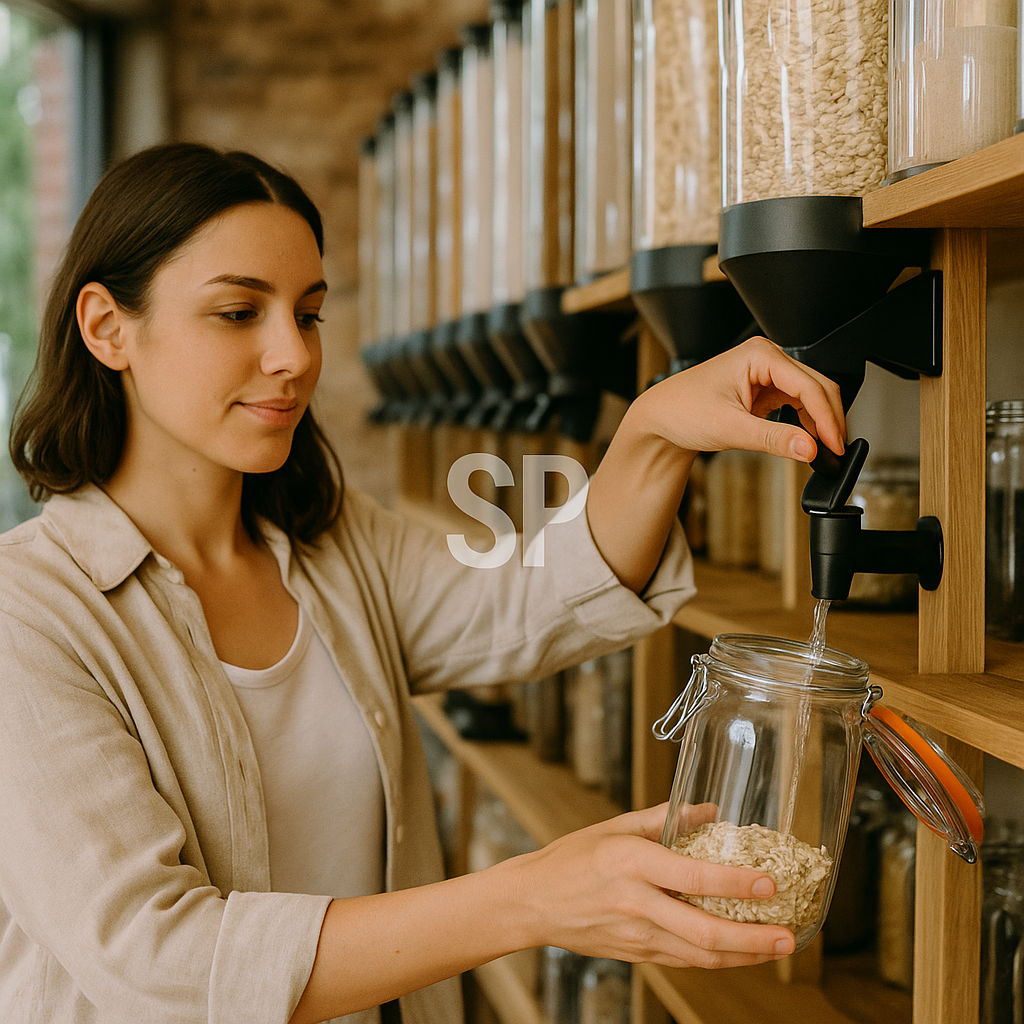
Shopping is where waste piles up the most. To practice zero-waste lifestyle routines, bring reusable shopping bags, mesh produce bags, and refillable containers when you go to the grocery store. By doing this, you reduce your reliance on single-use plastics, which often end up in oceans.
Personally, I’ve developed the habit of adding items to my online shopping cart and waiting 24 hours before making a purchase. This delay helps avoid impulse buying and aligns with a minimalist, eco-friendly mindset.
3. Carbon reduction habits at home
Reducing carbon emissions doesn’t always require solar panels or advanced technology. Simple choices like adjusting your thermostat can have a big impact. For example, setting air conditioning at 26°C in summer and heating at 21°C in winter is not only energy-efficient but also recommended by the International Energy Agency.
Another small but powerful action is unplugging electronics to cut standby power. After doing this regularly, I noticed my electricity bill dropped by about 5–10% each month. That’s a win for both my wallet and the planet. 💡
4. Eco-friendly commuting choices
Transportation is a major source of emissions, but you can reduce your footprint by changing how you move around. For short distances, try walking or cycling. For longer trips, opt for trains instead of cars or planes when possible. According to studies, traveling by train produces about 70% fewer CO₂ emissions compared to driving alone. 🚆
If your workplace is nearby, consider designating one or two “walk-to-work days” each week. It boosts your health while aligning with your eco-friendly routine.
5. Turning sustainability into a lifestyle
The key to sticking with any eco habit is to make it enjoyable. Instead of treating it as a burden, gamify your routines. For example, my friends and I created a weekly “eco-challenge” where we compete to see who can go without single-use plastics the longest. Adding fun and accountability makes the journey less stressful and more rewarding.
Failure story & solution block
When I first started, I tried to eliminate all plastics overnight. It was unrealistic, and I quickly burned out. The lesson? Start small. Choose one eco-friendly routine at a time, such as bringing a tumbler or reducing food waste. Success in small steps motivates you to expand into bigger changes.

At the end of the day, sustainability is not about perfection but progress. Even if you only commit to one or two changes, those consistent actions compound over time. So why not pick a habit today—like reducing carbon emissions at home or creating your own zero-waste shopping routine—and see how it feels?
Which of these eco-friendly routines would you like to try first? 🌱
While the main post focused on practical actions, I want to take a deeper look at how an eco-friendly routine can influence not just your daily life but also your mindset. Building sustainable habits is not only about protecting the planet; it also changes the way we perceive value, time, and even happiness.
One of the biggest lessons I learned while experimenting with eco habits is patience. At first, you might feel that carrying a tumbler or reusing bags is inconvenient. But with repetition, it becomes second nature. Over time, these habits give you a sense of stability, as if your routine is aligned with a bigger purpose. That alignment is what makes an eco-friendly routine more than just a checklist—it becomes part of your identity.
Another important angle is community. When I started practicing zero-waste lifestyle routines, I thought it was a solo mission. But I soon realized that sharing progress with friends or joining online communities made the experience more motivating. Exchanging tips, like where to find refill stations or affordable eco-friendly products, created a support system. This kind of social accountability is powerful because it turns individual efforts into collective impact.
Of course, challenges exist. Not every country or city provides the same resources for sustainable living. Some areas have few recycling facilities or limited zero-waste stores. In those situations, it’s easy to feel discouraged. But here’s a perspective shift: even if infrastructure is lacking, the act of being mindful about waste is itself a step toward progress. You may not reduce your carbon footprint drastically overnight, but awareness alone leads to better choices when opportunities arise.
I’ve also found that carbon reduction habits often bring unexpected personal benefits. For example, choosing to bike instead of drive saved me money, reduced stress from traffic, and even improved my health. Lowering thermostat settings not only cut emissions but also encouraged me to use blankets more creatively and appreciate seasonal changes. These side benefits prove that eco routines are not sacrifices—they often enhance your lifestyle.
There is also a cultural dimension. Traveling has shown me that sustainable practices vary widely. In some European cities, carrying reusable containers is the norm, while in parts of Asia, community recycling systems are incredibly advanced. Learning from these differences broadens your view and reminds you that sustainability is not about rigid rules, but about adapting principles to your environment. This flexibility is what allows eco-friendly routines to last long term.
Emotion plays a big role too. Many people give up eco habits because they approach them with guilt or pressure. I’ve learned to flip that mindset by framing sustainability as an opportunity for creativity. Instead of thinking “I can’t use plastic,” I think, “What unique alternative can I try today?” That shift makes each action feel empowering rather than restrictive.
In the long run, sustainable living becomes a rhythm rather than a task. Imagine starting your morning with small wins—saving energy, reducing waste, choosing a greener commute—and ending the day knowing you’ve contributed positively. It builds a quiet kind of confidence. And the best part? These routines compound. A month of eco-conscious living might feel small, but a year or five years creates measurable impact not only on the planet but on your sense of purpose.
So if the main post gave you a roadmap, let this expansion serve as encouragement: don’t chase perfection. Instead, commit to consistency. Pick one eco-friendly routine that feels manageable and make it yours. As you succeed, add another. Before you know it, you’ll have created a lifestyle that reflects both care for the Earth and care for yourself. 🌱