Eco-Friendly Living Steps: Simple Zero-Waste Routines for a Sustainable Future

Hello everyone 🌱 Have you ever wondered how small lifestyle choices can make a big difference for the planet? Many people think living sustainably requires huge sacrifices, but in reality, it’s about creating eco-friendly routines that are easy to follow and naturally reduce waste. Today, let’s explore practical steps you can take to embrace a zero-waste lifestyle while improving your own well-being at the same time.
Start with small swaps
The journey toward sustainable living often begins with replacing single-use items. Instead of plastic bottles, carry a reusable water bottle. Replace disposable grocery bags with cloth totes. Swap paper towels for washable cloths. These may sound simple, but over the course of a year, such changes save hundreds of items from ending up in landfills. The key is consistency—when small actions become daily routines, they add up quickly.

Build a waste-free kitchen routine
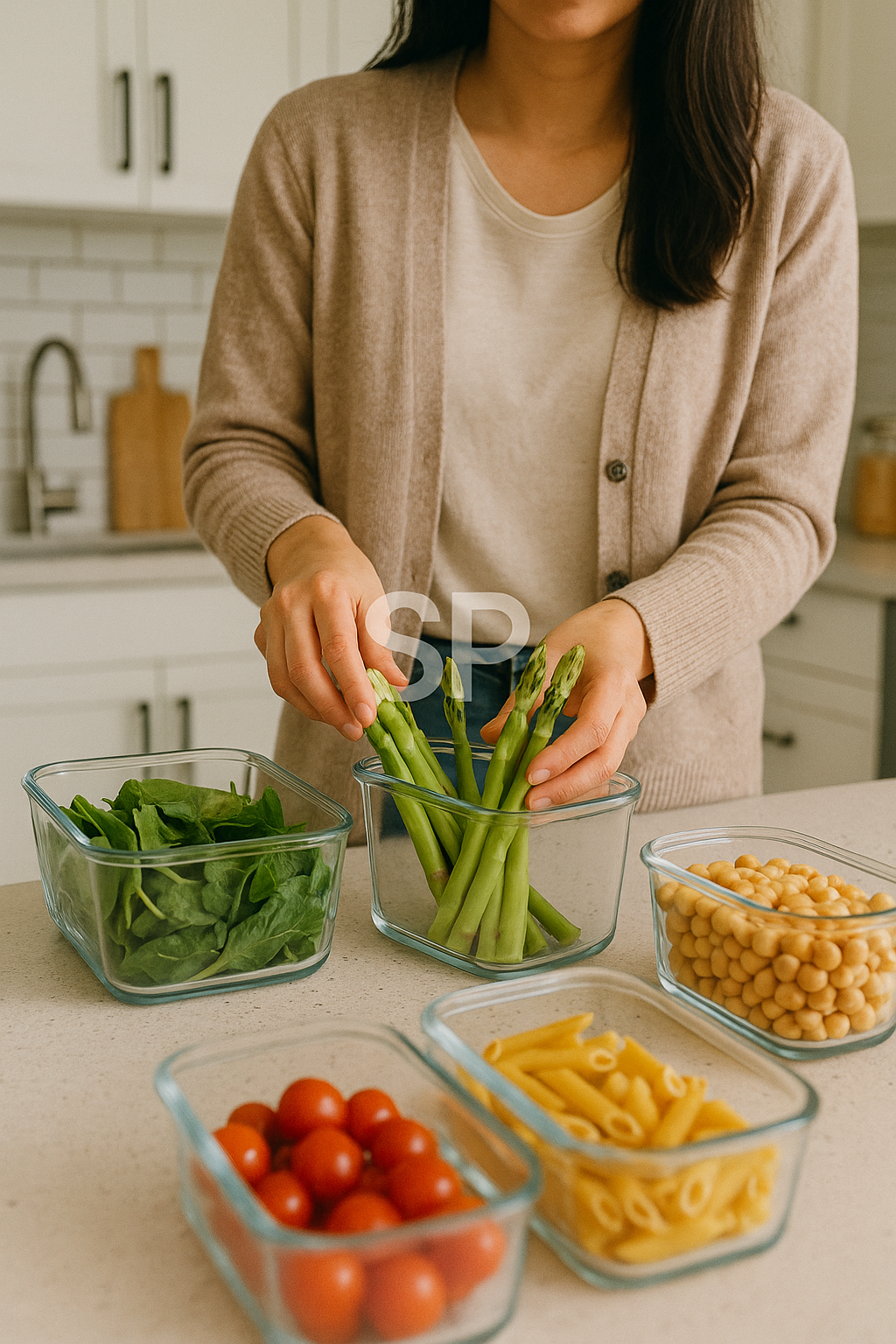
The kitchen is where most waste is generated. Start by planning meals to avoid food waste, storing leftovers in glass containers, and composting organic scraps. Many people also find bulk shopping useful—buying rice, beans, or spices in reusable jars eliminates unnecessary packaging. By setting up this eco-friendly routine, you not only cut down on waste but also save money in the long run 😊.
Rethink transportation choices
Transportation is one of the largest sources of carbon emissions. You don’t need to sell your car tomorrow, but you can reduce your footprint by walking, biking, or using public transit more often. If driving is necessary, consider carpooling or switching to an EV. Even choosing trains instead of flights for shorter trips can make a significant difference. Remember, sustainability isn’t about perfection—it’s about making better choices when possible.

Sustainable fashion as a habit
Clothing is another area where conscious decisions matter. The fashion industry is a major polluter, but you can counter this by buying secondhand, supporting ethical brands, or simply wearing what you already own longer. Creating a zero-waste wardrobe routine means repairing clothes instead of discarding them and choosing timeless pieces over fast fashion. Many people find joy in discovering unique thrift shop items that add personality to their style ^^.
Energy-saving routines at home
Simple energy routines reduce both bills and emissions. Turn off lights when leaving a room, unplug chargers when not in use, and use LED bulbs. For those who can invest more, solar panels and smart thermostats are excellent options. But even small habits—like washing clothes in cold water or air-drying laundry—make a measurable impact. Over time, these become part of your natural rhythm rather than a conscious effort.
How eco-friendly living improves quality of life
What surprises many people is that sustainable living is not just good for the environment—it’s good for your health and happiness too. Cooking at home with fresh ingredients improves nutrition. Walking or biking instead of driving adds daily exercise. Decluttering and buying less reduces stress and saves money. In short, a budget-friendly sustainable lifestyle often feels simpler, healthier, and more fulfilling 😊.

Closing thoughts
Transitioning into an eco-friendly life doesn’t require grand gestures. Start with one small habit, turn it into a daily routine, and expand gradually. Whether it’s carrying a reusable cup, cycling to work, or composting kitchen scraps, every choice sends a message and creates ripple effects. Together, these steps move us closer to a sustainable future. And the best part? You’ll realize that living with less waste isn’t about restriction—it’s about living with more intention.
Adopting an eco-friendly lifestyle is not about doing everything perfectly but about choosing routines that you can sustain over time. One of the most common misconceptions is that sustainable living is expensive or inconvenient. In reality, many zero-waste routines save money and simplify daily life. For example, when you carry a reusable water bottle, you not only reduce plastic but also avoid spending on single-use bottles. The same goes for bringing your own lunch in reusable containers—healthy, cost-effective, and sustainable all at once.
A powerful approach to long-term success is to connect your eco-friendly choices with your personal values. If you care about community, support local farmers’ markets and reduce food miles. If you value technology, explore smart home devices that cut energy usage. The idea is not to copy someone else’s lifestyle but to create a green routine that feels authentic. This sense of alignment makes it easier to stick with changes even when life gets busy.
Another overlooked area is digital habits. Streaming, cloud storage, and online activity also leave a carbon footprint. Optimizing your digital use—like lowering video resolution when not necessary, deleting unused files, or turning off devices overnight—may seem minor but collectively reduces energy demand. Many sustainable bloggers point out that digital minimalism complements eco living perfectly, since both aim to remove excess and create balance.

Community participation can also amplify impact. Joining zero-waste groups or sustainability workshops not only provides motivation but also shares practical hacks. You’ll learn, for instance, how to make natural cleaners with vinegar and baking soda, or how to repair household items instead of replacing them. These routines connect people, foster creativity, and prove that sustainability thrives in collaboration.
Fashion remains a critical focus. Even though sustainable brands are rising, the fastest way to reduce waste is simply extending the life of clothes. Hosting clothing swaps with friends or exploring secondhand stores turns consumption into a community activity. It’s exciting to find unique pieces without adding to the cycle of fast fashion. And when you repair items—sewing a button, patching a tear—you gain not only sustainability but also a sense of pride in extending value.
One of the most transformative effects of eco living is the mental clarity it brings. As you declutter possessions, reduce single-use waste, and focus on intentional choices, your surroundings become calmer. Many people report feeling less overwhelmed and more mindful in their daily routines. The act of simplifying has psychological benefits: it shifts focus from constant consumption to meaningful experiences.
Finally, remember that eco-friendly living is a journey, not a final destination. Some days you’ll forget your reusable cup or buy something in plastic packaging. That’s okay. What matters is consistency and progress, not perfection. By embracing imperfection, you avoid guilt and stay motivated. Over time, these small actions build momentum, showing that ordinary people can make extraordinary impact when they commit to sustainable routines 🌱.